
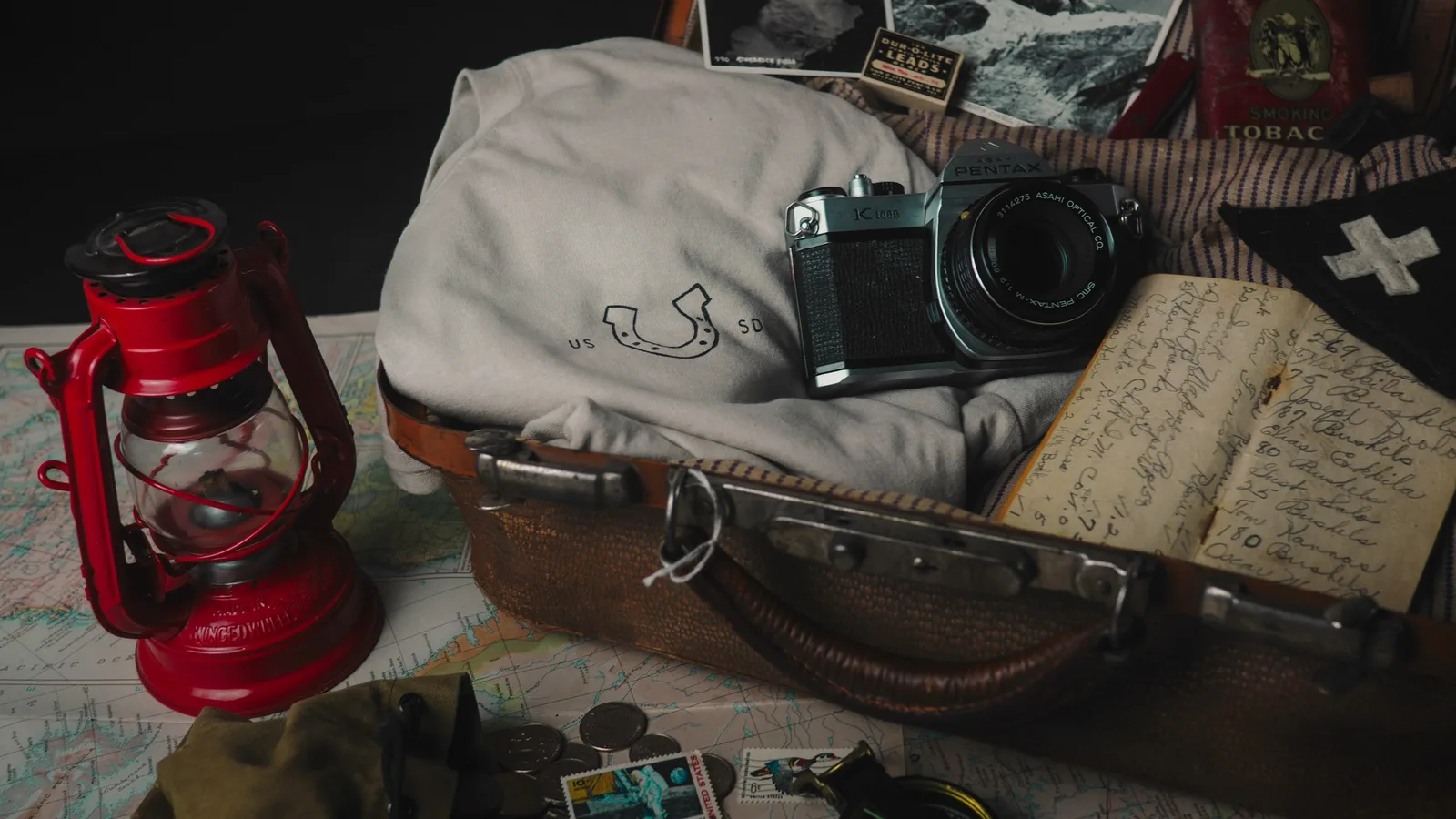
Do you remember the exact moment you clicked the "Buy Ticket" button for the very first time without a tour agency, a guide, and a tour bus backing you up? That slight sweat on your palms and that nagging thought: "What on earth have I done? What if I get lost? What if I get robbed and end up under a bridge somewhere without my passport?"
If you have a stable job, a mortgage, or other commitments and you like to keep your life under control, fearing your first independent trip is completely natural. Travel profiles on Instagram might make heading into the jungle on your own look like a piece of cake, but the reality is that every single one of us had butterflies in our stomach the first time.
When I first headed to Vietnam (with my partner), right from the Vienna airport I was telling myself: Alright, let’s see how I handle all of this. It’s not Italy, it’s not the Alps—it’s far from home. I’m on my own. But I managed, and now I know nothing can stop me. You have to beat yourself; you are your own toughest opponent. The good news is that fear can easily be defeated with good logistics. Here is my guide on how to survive your first solo or low-cost planning experience without a nervous breakdown.
Leave the Major Leagues for Later: Start with "Europe for Beginners"
You don’t have to fly straight to Bangkok or trek in Peru on your very first independent trip. Choose a destination that is close, safe, and where everything works. You can even find places where the city center is just a short distance from the airport (like Pisa). Even if your first time is just flying from Prague to Warsaw on your own, the point is to experience doing it by yourself.
WandersKaty Tip: Great spots to start are Poland (excellent services, cheap, and you can practically communicate in Czech), Mallorca (tourists are everywhere, you won’t get lost), or Florence, Budapest, and Skopje—practically anywhere in Europe. Once you go once or twice, you’ll build up more and more courage to try more distant destinations. Of course, someone more experienced can tag along, but then there's a risk you'll rely on that person and won’t try as hard to figure things out on your own in certain situations.
Navigating the Airport is a Breeze
Even though an airport can look like a massive anthill, it is actually a perfectly organized machine. Most of the time, all you need to do is follow the signs and keep moving, or don't hesitate to ask the airport staff.
Step 1: The Departures Board. As soon as you enter the terminal, find the giant electronic board. Look up your flight number. You’ll see the status—whether check-in is open, boarding is in progress—and most importantly, the desk number where you drop off your large suitcase (personally, I travel with just a small backpack, and I highly recommend it). Lastly, you'll see the gate number. In Prague, for example, you can check in yourself and then head to control. Scan your ticket at the E-gate and walk through the turnstile once the doors open. Next is the passport and facial scanner. Place your passport on the scanner to your right, the doors open, stand on the marked footprints, look straight into the camera, and boom—you’re through! Within the EU, you can travel just with your national ID card.
- Step 2: Security Control. This is where people usually panic the most. It’s just a matter of practice. Remember, if you only have a backpack like me, liquids must be placed in a transparent plastic bag, with each liquid container being a maximum of 100 ml. But honestly, you can buy everything at your destination. So, empty everything from your pockets into the bin, along with your belt, hoodie, and electronics. Walk through the metal detector. If it beeps, they might do a quick extra scan with a handheld wand, and you’re good to go.
- Step 3: Finding the Right Gate. Past security, look for the nearest signs and head that way. Alternatively, check the screens for your flight—for example, abc123 Gate B14. Follow the arrows on the ceiling and walls. The letters will guide you to the right wing.
- Step 4: Boarding. Be at the gate about 30–40 minutes before departure; your boarding time is printed on your ticket. Have your passport/ID and boarding pass ready. Scan it at the gate, walk through the jet bridge, and step onto the plane! How exciting.
Google Maps and Mapy.cz Are Your Best Friends
Our biggest fear is getting lost. But today, we don't wander around with paper maps anymore. Download offline maps of the entire area to your phone while you're still at home on Wi-Fi.
My trick: Star your hotel, the airport, the main train station, and 3 restaurants with good reviews on your map. When you get off the plane, you just follow the blue dot on your screen. Zero stress. I type in where I want to go, and the GPS always gets me there. It’s practically foolproof. That is, unless you take a taxi straight from the airport to the hotel. Of course, in certain destinations, I highly recommend renting a car (DiscoverCars). It gives you massive freedom of movement.
Tame Your Finances and Have a Plan "B"
Fearing you’ll end up stranded without money is an easy fix. Split your funds into three parts:
A little bit of cash (Euros or local currency for small expenses).
Your main funds on a primary bank account with a card.
An emergency backup fund in a separate account (or credit card) that you don’t touch unless it saves you in a pinch (e.g., buying a new flight or booking an emergency hotel). Personally, I highly recommend Revolut.
The Language Barrier Is a Myth
"What if they don't understand me?" Trust me, people all over the world are used to tourists who don't speak perfect English. Gestures, expressions, and a smile will solve 90% of situations. For the remaining 10%, you have a phone in your pocket and Google Translate, which can now translate text directly from your camera in real time (like a restaurant menu).
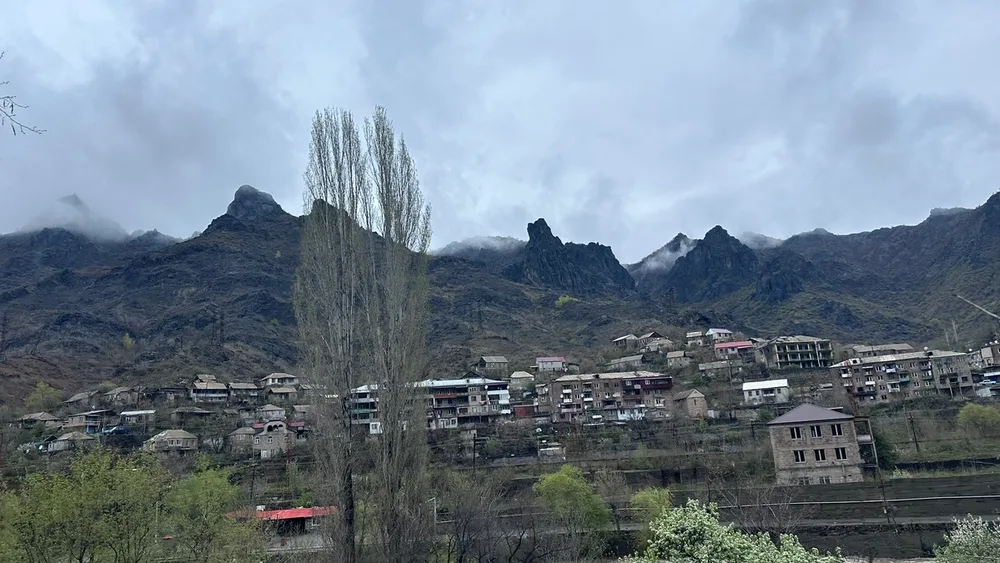
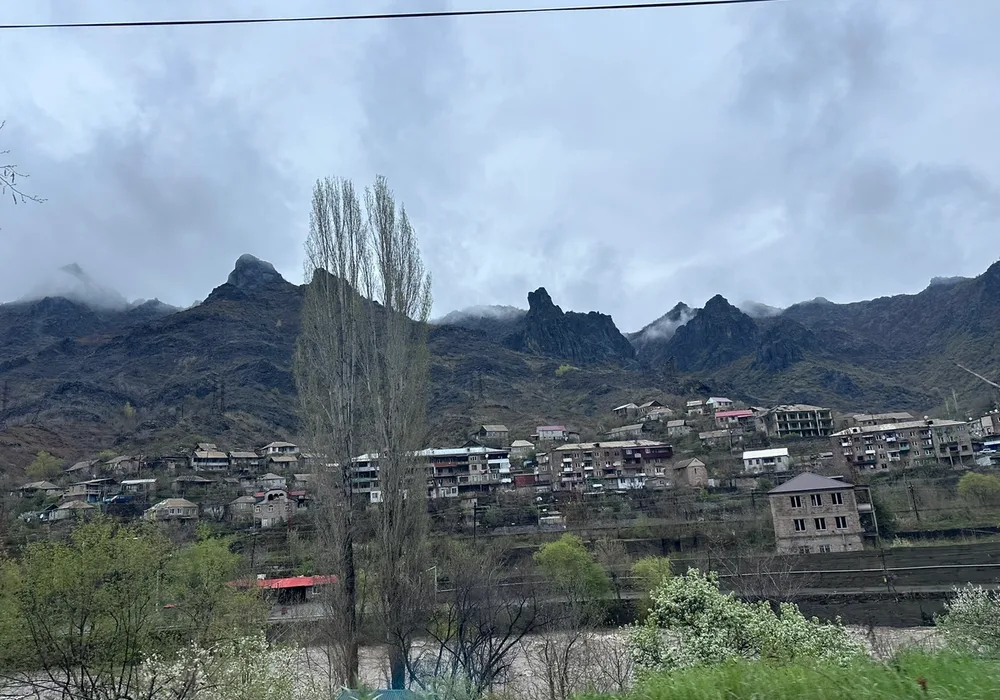
Plus, I have to admit that in most cases, locals in foreign countries don't speak much English either—or none at all. I experienced this in Vietnam, North Macedonia, Armenia, etc., where some people (including very young people) didn't know a single word of English. So, it was all about hand gestures, pointing at things, and I always got what I needed :).
What’s the Worst That Could Happen? (And How to Fix It)
When panic hits, rationally break down the worst-case scenario:
- Missed the bus? I’ll wait for the next one or call an Uber/local taxi.
- The hotel is awful? I’ll book a different one for one night and cancel this one. Life goes on.
- Got lost? I’ll sit down in a café, grab a coffee, catch the Wi-Fi, and calmly get my bearings. Just stay calm.
A Final Word
Fear is just a lack of information. Traveling on your own isn't reserved for elite superheroes. It’s for regular people, like you and me, who just want to have full control over their vacation and don’t want to pay overpriced commissions to agencies. Once you walk through that airport gate for the first time and realize you did it all by yourself, that feeling of freedom is 100% worth it.
So come on—pick a country, book that ticket, and we’ll figure out the rest together!
Frequently Asked Questions (FAQ)
Is it normal to feel scared before my first independent trip?
Yes, it is completely normal. Suddenly, you are managing flights, accommodation, transport, language, money, and navigation all on your own. The fear usually disappears or shrinks significantly the moment you have a simple plan ready and your first trip goes smoothly.
How do I start traveling without a tour agency?
The best way is to start with an easier destination, a shorter trip, and a highly accessible place. It doesn't have to be an exotic country on the other side of the world right away. For your first trip, a city or country with good public transport, a safe environment, and plenty of information online makes the most sense.
What if my English isn't very good?
Basic English is usually more than enough—more than you might think. Nowadays, you can solve most things using apps, translators, maps, and online bookings. You don’t need to speak perfectly; the most important thing is not being afraid to ask and preparing a few basic phrases in advance.
How do I stop worrying about getting lost?
It helps to have offline maps, your accommodation saved, a basic route mapped out, and some buffer time. Getting lost for a little while isn't a disaster as long as you have a charged phone, internet, or an offline map. In larger cities, you can usually get back easily by metro, bus, or an app-based taxi.
Is traveling without a tour agency safe?
It can be very safe if you use common sense and prepare well. It’s a good idea to check the current situation in the country, get travel insurance, keep an eye on your documents and money, and avoid high-risk areas. Traveling independently doesn't mean traveling without a plan.
What should I prepare before my first trip?
We recommend having your flights, accommodation, insurance, a basic itinerary, offline maps, copies of your documents, and an overview of airport transport ready. You don’t need to plan every single minute, but your first day after arrival should be as simple and stress-free as possible.
Which destination is best for a first-time independent trip?
A great destination is one with straightforward transport, a safe environment, and plenty of available information. European cities, short weekend getaways, or places where English is widely spoken are ideal for starters. Once you conquer your first trip, the next one gets much easier.


Discussion
Comments
No comments yet. Be the first to share your thoughts.