

Planning your first trip without a tour agency might feel like passing a exam, but it’s actually more like building with Lego. When you know which brick to lay down first, you simply can't mess it up. As someone who juggles a full-time job, 30 days of annual leave, a mortgage, and trying to visit a new country every now and then, I’m going to show you my own system for building a trip quickly, cheaply, and with zero stress.
Step 1: Choosing a Destination (Personal Experience)
- The Rule: Leave the major leagues for later. Don’t fly straight to India for your first time. Pick a country with well-established infrastructure and reliable transport.
My Recommendation: As I suggested in my previous article, go for places like Rome, Florence, or Malaga for your first attempt. Alternatively, in Poland, you can practically communicate in Czech and it’s very affordable. On Mallorca, everything runs like clockwork and you won't get lost. There are plenty of great European spots to choose from.
Step 2: The Flight Ticket as Your Anchor
- How to do it: The flight ticket sets your dates. Fire up various search engines, set your departure from Prague or Vienna, and keep an eye on the price calendar.
- Common Mistake: People often buy flights through sketchy third-party booking sites (like Kiwi) because they seem significantly cheaper. Never do this. Always book directly on the airline’s official website (Ryanair, Wizz Air, etc.). If a flight gets canceled, the airline will refund your money directly and promptly; a third-party agent rarely does.
Step 3: Accommodation (Reality vs. Instagram)
- How to do it: Use Booking.com if you’re not comfortable staying through Airbnb yet. Set your search filter by review scores and always check the "Free Cancellation" box.
- My Recommendation: The more often you book through Booking.com, the higher your reward level becomes. They offer so-called Genius discounts, which can significantly slash your budget. Getting free breakfast or a room upgrade is definitely a nice bonus, too! When you have a stable job and don't need to pinch every penny at all costs, don't stay in a hostel room with 10 other people. Look for smaller private apartments close to the city center or a metro station. You’ll save precious commuting time. Today, you can find highly interesting (and often very beautiful) accommodations on Booking at reasonable prices. For example, during our trip to North Macedonia, we stayed in gorgeous, modern apartments for just a few bucks a night.
Step 4: Local Transportation
- How to do it: Wondering how to get from the airport to your hotel? You can find out in two minutes. Just type into Google: "How to get from [Airport Name] to [City Center]". Alternatively, you can use local ride-hailing apps like Uber or Grab, or rent a car right away. For car rentals, I highly recommend using Discover Cars.
Step 5: Digital Survival
- How to do it: Download Mapy.cz or Google Maps to your phone and save the map of the specific city or country for offline use.
- My Trick: While you're still at home on Wi-Fi, drop a star icon onto your hotel, the airport, and the main train station in your map app. Once you're on the ground, you just follow the blue dot on your screen, even if you have no signal or roaming data.
The Ultimate Pre-Flight Checklist (Save for Later)
- Valid Passport / National ID: Double-check the expiration date. Within the EU, your national ID card is all you need.
- Flight Ticket on Your Phone: Downloaded as a PDF or saved directly in the airline's app. Don't rely on finding internet at the airport. If you're old school, you can print a paper copy at home.
- Travel Insurance: Arranged online in 5 minutes. It costs next to nothing but completely covers your back (for example, AXA travel insurance).
- Offline Maps: Saved directly on your device.
- Payment Card + Small Amount of Cash: In Euros or the local currency.
The 3 Biggest Mistakes Beginners Make
Overpacked Itineraries: Trying to see 10 cities in 4 days. The result? You spend your entire vacation sitting on buses. Less is more. You're much better off enjoying one city at a relaxed pace and sitting down for a good cup of coffee. I’ve often seen "killer" itineraries from travel agencies for Vietnam—covering both North and South Vietnam in just two weeks. That must be quite an exhausting "experience" :).
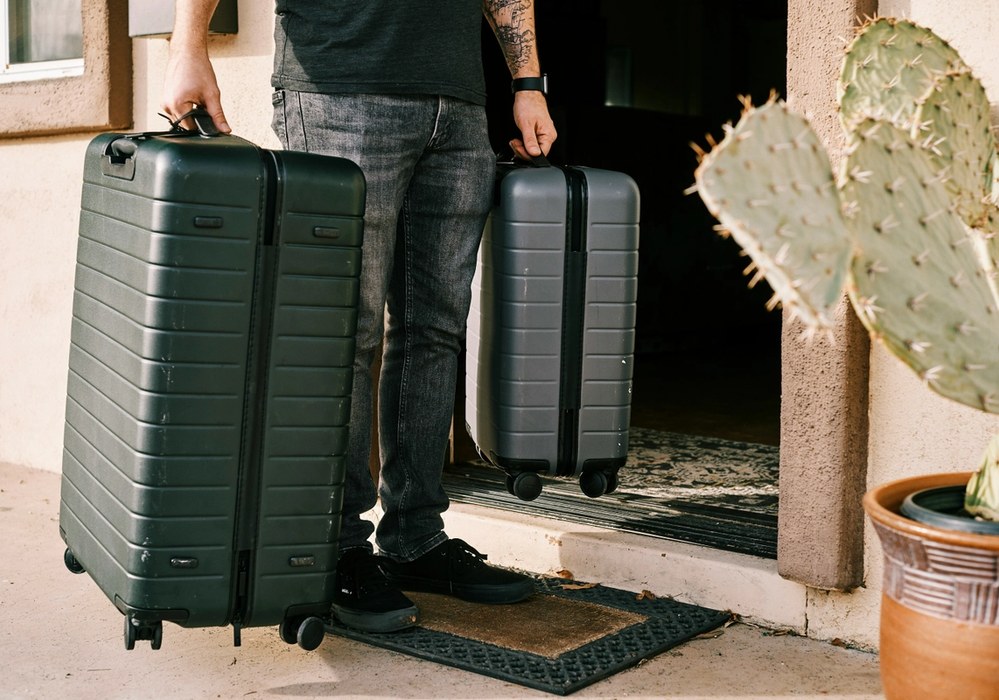
Hauling Giant Suitcases: You pay unnecessary checked bag fees only to drag a heavy suitcase over cobblestones in historic town centers. Pack everything into a single backpack instead. (I wrote a whole guide on how to do that in my last article!)
Fear of the Language Barrier: Thinking you won't survive without flawless English. Big mistake. Gestures, facial expressions, a warm smile, and Google Translate on your phone (which translates text in real-time through your camera) will get you out of any situation worldwide.
A Final Word
Planning a trip on your own isn't rocket science. It’s ultimate freedom. Try it out for the first time on a long weekend getaway, and I guarantee you'll never step foot inside a travel agency again! Of course, there are exceptions where a guided tour is worth it, but in the vast majority of cases, you can absolutely handle it all by yourself.
Frequently Asked Questions (FAQ)
How do I plan a trip without a tour agency?
Start by choosing your destination, dates, and an approximate budget. Next, look into flights, entry requirements, local transportation, and accommodation. Only after securing these does it make sense to start building a specific day-by-day itinerary.
What should I handle first when planning a trip?
Your first priorities should always be dates, flights, entry requirements, and safety in the destination. Only then should you start picking specific spots, accommodation, and activities. This prevents you from planning a beautiful route that turns out to be time-wise or financially unrealistic.
How many things should I plan in advance?
For your first independent trip, it’s best to have your flights, initial accommodation, airport transfer, and a basic route locked down ahead of time. There’s no need to schedule every single hour, but your first day should be as simple as possible. As you get more experienced, you can leave more room for spontaneity on the ground.
How do I create a good itinerary?
A good itinerary must be realistic, not overpacked. Factor in transit times, fatigue, weather, and time for meals or relaxation. It is always better to experience fewer places at a relaxed pace than to rush every single day and end up not enjoying the trip.
How much buffer time should I leave for transit?
It depends on the destination, but as a rule of thumb, always leave a buffer. A journey that looks like a two-hour drive on the map can easily take half a day in reality. For your first independent trip, we highly recommend planning a slower pace.
Is it better to book accommodation in advance?
For your first trip, we recommend booking accommodation at least for the first few nights. For shorter getaways, go ahead and book the entire stay. On longer journeys, you can book the beginning in advance and leave the rest up to how things go—just keep the travel season and how busy the destination is in mind.
How can I tell if my travel plan is realistic?
Try calculating not just the distances, but the actual time spent on transit, check-ins, waiting times, getting to the airport, and rest. If your plan leaves zero room for error, it’s likely too packed. A good plan always leaves some space for delays or unexpected changes.
Discussion
Comments
No comments yet. Be the first to share your thoughts.