
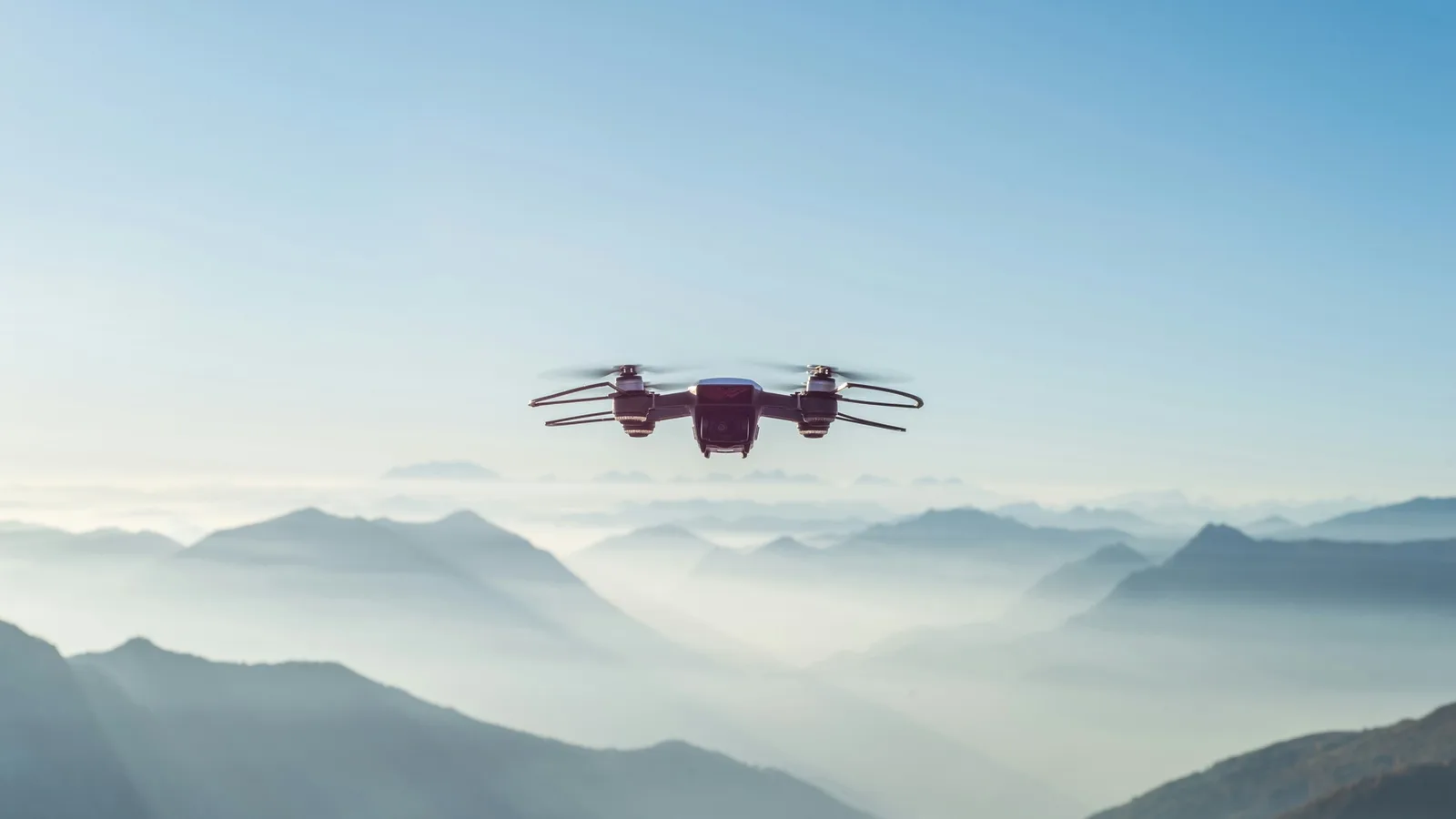
Endless roads disappearing over the horizon, red desert rocks, deep canyons, and cinematic panoramas. The American West is the absolute holy grail for every photographer and filmmaker. However, bringing a drone with you on a road trip is no longer as simple as unboxing it in a parking lot and taking off. The U.S. Federal Aviation Administration (FAA) sets strict, uncompromising standards for pilots. But if you complete a few quick homework assignments before departing from the Czech Republic, you can bring home the most breathtaking bird's-eye view footage from America.
Here is our complete guide on how to avoid flying wild in the USA, where along our route you can legally take to the skies, and which places you must absolutely forget about immediately.
Before You Fly: Two Homework Assignments You Can't Take Off Without
Whether you own a massive professional rig or a pocket-sized toy like the DJI Mini under 250 grams, as a foreigner in the USA, you cannot legally take off without meeting the following conditions:
1. The TRUST Online Certificate (Mandatory for Everyone)
Every recreational pilot must pass a free, super-fast online test called The Recreational UAS Safety Test (TRUST). It takes about 15 minutes, and you can take it online via approved providers like the Pilot Instituteor UAV Coach. You cannot fail this test—if you answer incorrectly, the system corrects you and lets you click again. Download the certificate to your phone and print out a physical copy just to be safe. You must have it on your person during every single flight.
2. Drone Weight and FAA Registration
- Drones UNDER 250 grams (e.g., the DJI Mini series): You have it much easier. If you are flying purely for recreational purposes, you do not need to register your drone in the USA. You only need the TRUST test mentioned above.
- Drones OVER 250 grams (e.g., DJI Air, Mavic series): Before you depart, you must register your device on the official government website, FAA DroneZone. It costs $5 USD and is valid for 3 years. Furthermore, the U.S. strictly enforces the Remote ID law (digital broadcasting of the drone's and pilot's locations). Modern DJI drones comply with this automatically, but you should verify this in advance for older models.
🚫 National Parks = Total No-Fly Zone and Risk of Jail Time
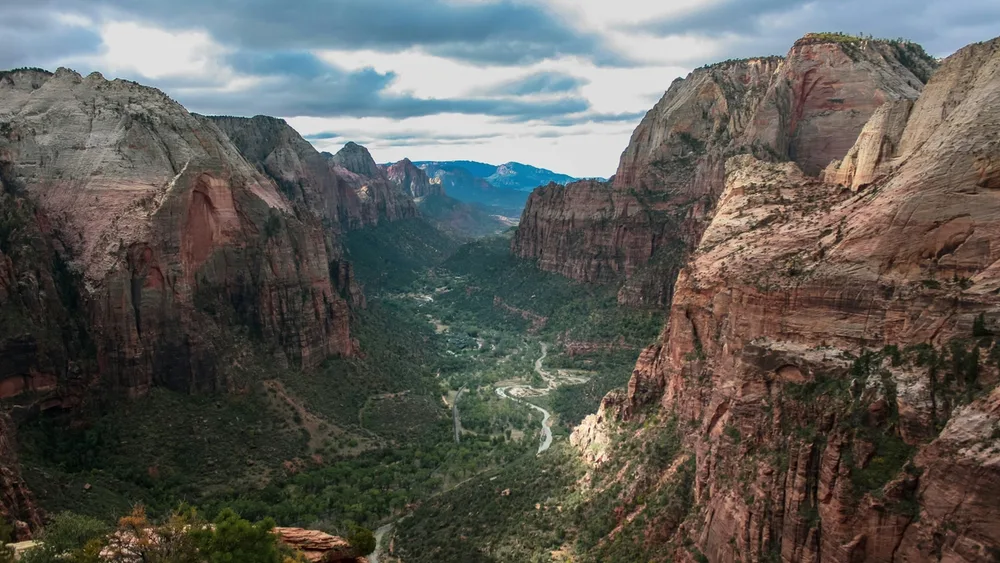
This is the most common tourist trap and the biggest disappointment for all creators. Flying a drone is strictly prohibited in all U.S. National Parks.This ban applies to taking off, landing, and operating a drone anywhere within the park boundaries. Forget about getting footage from the heart of parks like Yosemite, Grand Canyon, Zion, Bryce Canyon, Sequoia, or Joshua Tree. Park rangers are extremely allergic to the buzzing of drones. They will confiscate your gear on the spot, you will receive a federal court summons, and fines can easily skyrocket into thousands of dollars.
Prohibited Drone Hotspots
Jurisdiction / Reason for Ban
All U.S. National Parks
Federal law managed by the National Park Service (NPS). Severe fines and equipment confiscation apply.
Navajo Nation Parks (e.g., Monument Valley, Antelope Canyon)
Sacred tribal land. The Navajo Nation Parks & Recreation strictly bans recreational drones. Permits are virtually impossible for regular tourists to obtain (requiring commercial licenses and expensive insurance).
Horseshoe Bend (Page)
Falls under the Glen Canyon National Recreation Area. The strict federal drone ban applies to this iconic viewpoint as well.
Where Can You Experience a Drone Paradise on Our Route?
Fortunately, the American West does not only consist of national parks. Many of the most beautiful locations sit on federal land managed by the BLM (Bureau of Land Management) or within State Parks, where the rules are much more relaxed. This is where the best footage is captured!
- Route 66 and Ghost Towns: You can take to the skies without any issues around the Amboy Crater, Roy’s Motel, or the abandoned concrete ruins in Two Guns. Just be careful in Oatman—do not fly near the wild burros, as the animals are terrified of drones, and you could cause an accident.
- Moab and Surroundings: While you can’t even pull your drone out of your backpack in Arches and Canyonlands, flying is perfectly legal just outside the park boundaries. This includes the famous Corona Arch or the fantastic red rock vistas along Potash Road.
- Utah Scenic Byway 12: Regarded as one of the most beautiful highways in the world, this road cuts through gigantic wilderness areas and canyons managed by the BLM (such as the Grand Staircase-Escalante National Monument). Outside of designated national monuments, you can legally launch your drone right by the roadside.
- Goblin Valley State Park: Drones are sometimes permitted here, but conditions change frequently. You must purchase a permit for $15 USD directly at the on-site Visitor Center (it cannot be bought online in advance). Always ask the staff at the reception desk first.
Important Note: During the peak season (which lasts until October 31st inclusive!), drone flight is banned on weekends and holidays. On weekdays, they issue a maximum of 2 permits per hour (10 total per day). If the park is full, no permits will be issued.
Pacific Coast Highway: How to Shoot the Cliffs Without Getting into Trouble
The coastal Highway 1 looks absolutely divine from a bird's-eye view, but you must watch out for two crucial rules. In California, it is illegal to launch a drone directly from the shoulders, pull-offs, and Vista Points along the highway. Furthermore, the waters around Monterey fall under a marine sanctuary, where flying over the water below 1,000 feet is prohibited—something a recreational drone cannot legally do.
- Our clever trick: Walk a short distance away from the highway into the interior land, find a spot without any drone-prohibiting signs, and shoot the dramatic cliffs and your car from the side over the mainland. The result? Legal and absolutely breathtaking footage.
The Golden Rule: Always Open the App Before Taking Off
Even if you feel like you are standing in the middle of an absolute wasteland, never take off blindly. Always open an FAA-approved airspace app (such as B4UFLY or AutoPylot) on your phone.Based on your exact GPS location, the app will instantly show you a color-coded traffic light system. If it's green, you are good to fly. If it's red, the drone must stay in your backpack. You can easily find yourself in a no-fly zone without even knowing it—often due to a nearby military area in the desert, a medical helipad, or wildlife protection zones.
🚷 Basic Rules in the Air You Must Follow:
- Fly up to a maximum altitude of 400 feet (approx. 120 meters).
- Maintain Visual Line of Sight (VLOS) at all times—you must not fly behind a rock or over the horizon where you cannot see the drone with your own eyes.
- Never fly over groups of people, active highways, or near wild animals.
Discussion
Comments
No comments yet. Be the first to share your thoughts.