
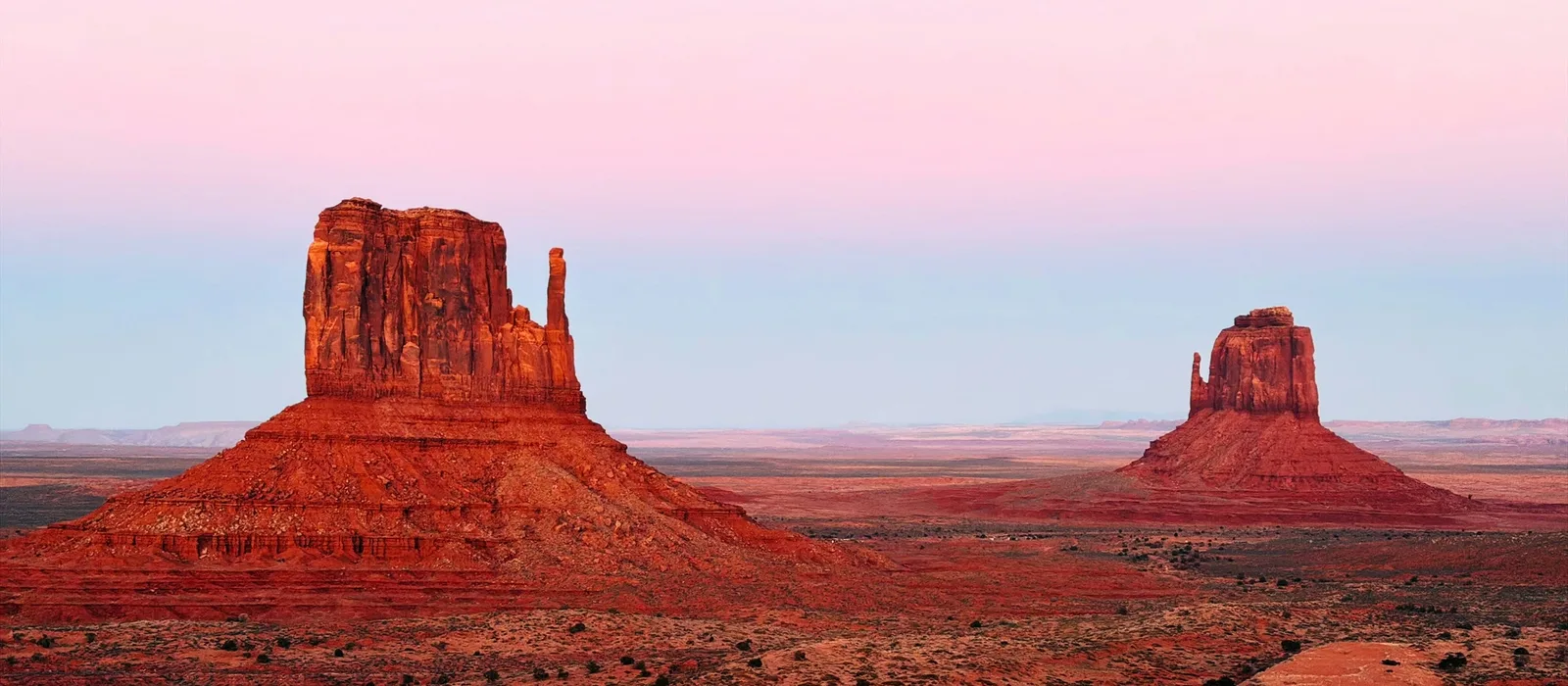
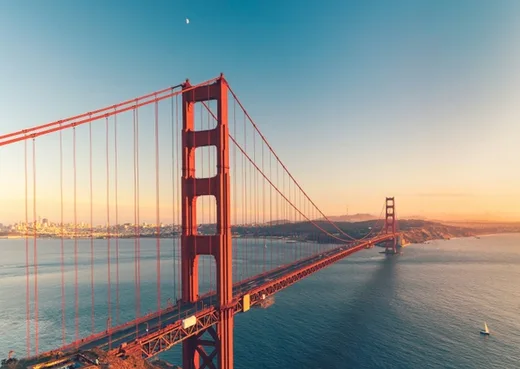
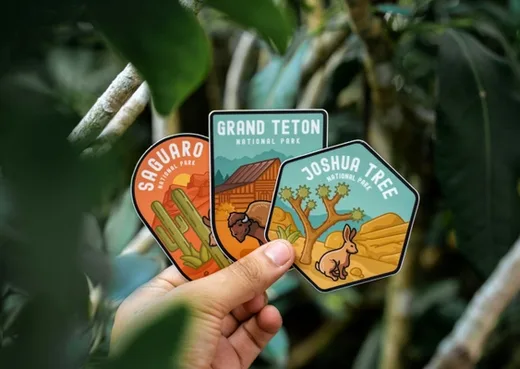
When we show someone our West Coast USA itinerary, it might look simple at first glance.Los Angeles. Route 66. Grand Canyon. Monument Valley. National Parks. Las Vegas. Death Valley. Sequoia. Yosemite. San Francisco.
Putting well-known places back-to-back can't be that complicated, right? But our itinerary wasn't created in a single evening.Not even in a week.
It has been in the making for several months now.
And perhaps, for me, the planning stage is actually the first part of the journey itself. I didn’t want to just open the internet, find a ready-made "20-day West Coast USA itinerary," copy the individual stops, and follow it blindly. There are a million itineraries like that online. I wanted our trip. One that truly reflects what interests us. So, I took a bit of an old-school approach.
Get to know the place first. Plan the route second.
When we are planning a major trip, I don't start by searching for:"The best 20-day West Coast USA itinerary."I start with the individual locations. I read about them—their history, nature, people, and interesting facts. I look for things that aren't always in the top three slots of every "TOP 10" list. Only then do I decide if we actually want to go there. Because a famous location doesn’t automatically mean it will be interesting to us.On the flip side, an inconspicuous dot on the map might have a story that makes us willing to tear up half our itinerary just to see it.
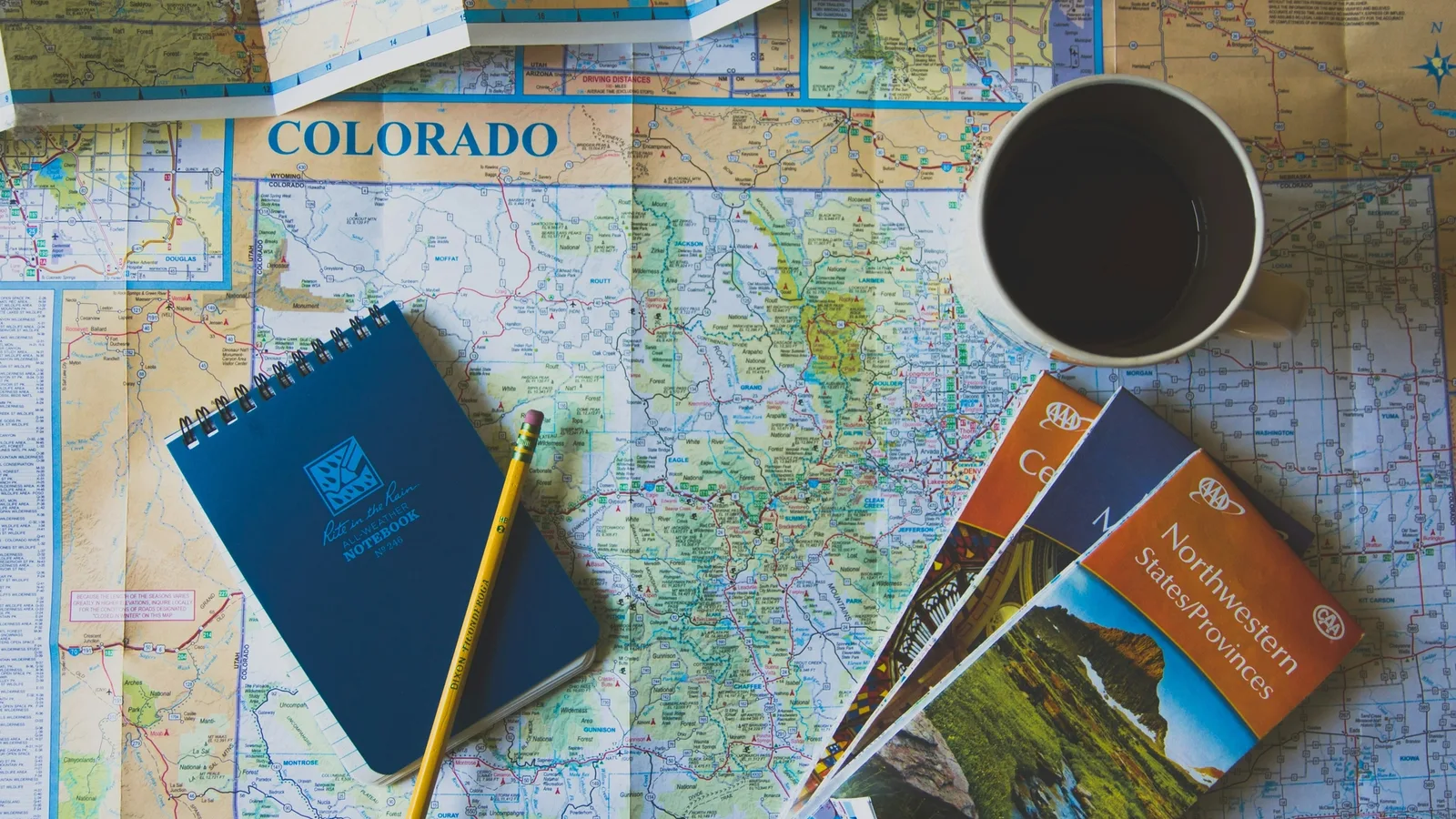
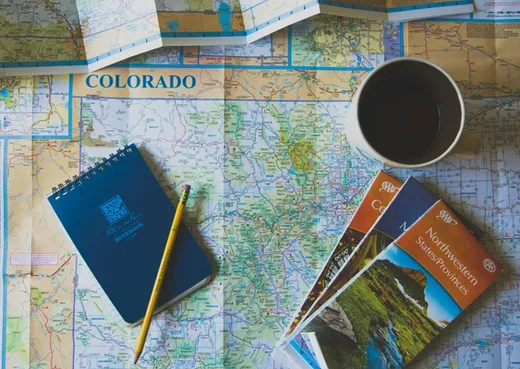
Yes, I even bought paper guidebooks
It might be a little old-fashioned, but yes, alongside the internet, I picked up classic paper travel guides. I flipped through them, highlighted interesting spots, and read chapters about the areas we will be driving through. Honestly, I was surprised by how much I still enjoy this way of planning.Online, it is incredibly easy to end up in a bubble.
One person recommends ten places, the next article suggests almost the exact same ten, and social media feeds show you the identical viewpoints. Before long, you get the feeling that nothing else even exists outside of them.In a vintage guidebook, however, you sometimes stumble upon a single paragraph about a place you have never heard of before. Suddenly, you start digging deeper. What used to be there? Why is it interesting?
Can you get there today? And is it worth changing the route for?It is precisely during this kind of search that the journey begins to take its own unique shape.
History matters to me just as much as the location itself
I love history.I simply can't pull up to an old gas station on Route 66, snap a photo, and drive off without knowing why it stands there. In the same way, I don't want to show up at the Grand Canyon just because it’s famous.I want to know what I’m actually looking at. How the landscape was formed. Who used to live there. What events took place on that very ground, and how it has changed over the decades. That is why I don't just read travel blogs during the planning stage.
I read about the history of individual places, various fun facts, and the stories tied to them. Some of this will eventually end up being used for WandersKaty.There are plenty of things we might never actually write about anywhere. But to me, they still matter.Because of them, we won't just arrive at a location marked by a pin on Google Maps.
We will arrive at a place we already know something about.And that completely changes the way you look at it.
Photography influences our trip more than it might seem
I spent several years focusing on photography, and even though we travel primarily for ourselves these days, that perspective has stuck with me. When I see a location on a map, I don’t just think about whether it’s worth a visit.I also think about the light. The landscape. Where the best viewpoint will be. Whether it makes more sense to arrive in the morning or the evening. Where the sun will set.What we will see from the ground, and what might look completely different from above. Because of this, certain places in our itinerary are not scheduled for a specific time by accident.
And the American West is practically an endless playground for anyone who loves photography. Deserts, canyons, never-ending highways, cities, abandoned places, cliffs, the ocean, and colossal forests. Plus, this time we aren’t just bringing a camera and phones.We want to bring back a lot more video content and material for WandersKaty.But one rule still stands:We don't want to experience the entire journey through a screen.A photograph is meant to capture an experience.It isn’t meant to replace it.
We don’t copy other people’s itineraries
Of course, I read other travel blogs when planning. It would be foolish to claim otherwise. The experience of someone who has already traveled through a location can highlight things you won't find in a classic guidebook.Similarly, we use maps, the official National Park Service websites, reviews, and insights from fellow travelers. The difference is that we don’t use any of these sources as a ready-made blueprint for our trip. I take information from them.I jot down an interesting spot. And then I move on. The final itinerary comes together gradually, like a jigsaw puzzle.And sometimes, it keeps changing over and over again.
We added certain locations. Others were ruthlessly scratched off.This was perhaps the hardest part of the planning process.The American West is enormous, and it’s very easy to fall into the trap of thinking that since you're already there, you have to see absolutely everything. You don't.In fact, it’s quite the opposite. The longer we spent preparing the route, the more we realized that we didn’t want to collect national parks and cities like items on a checklist.We don't want to show up, hop out of the car, snap a quick photo, and then drive another 200 miles an hour later.
We would rather skip a few things. Instead, we want to leave ourselves more time for the places that genuinely interest us. Because of this, we tweaked some parts of the itinerary multiple times. Others we canceled completely. On the flip side, a few locations made it onto the route precisely because we discovered something captivating about them during our research.
Google Maps is my second book
Once I have a basic idea of the area, the map comes out.And then, the puzzle begins. How many miles are between each location? How long will it actually take us to drive there? What can we combine into a single day? Where will we sleep?Does it make sense to keep driving in the evening, or is it better to stay put? This is where the romantic notion of a road trip starts to meet reality. American distances can be absolutely massive. On a map, two locations might look like they are right next to each other.Then you realize you will spend several hours in the car just getting between them.
That is why we rearranged the route so many times. Not based on how it looks on paper.But based on whether we can actually drive it and still get something out of the journey. And honestly? I look forward to the day when I can spend a few weeks in Thailand, Malaysia, or anywhere else, traveling completely unplanned, wherever the wind blows. Right now, unfortunately, my time is limited because of work, so having a plan is a must.
We don’t plan every single minute
It might look like the exact opposite based on our itinerary, but we don't want our trip scheduled down to the minute. We have fixed points—accommodations, certain reservations, and locations we definitely don’t want to miss—along with a rough route for each day. But between those points, we want to leave breathing room. Because when you travel, the best experiences often happen when you spot something interesting by the side of the road and simply pull over.
Or when someone recommends a place you have never heard of before. Or when you love a location so much that you want to stay longer. To us, an itinerary is not a timetable. It is the backbone of our journey.
Why do we dedicate so much time to it?
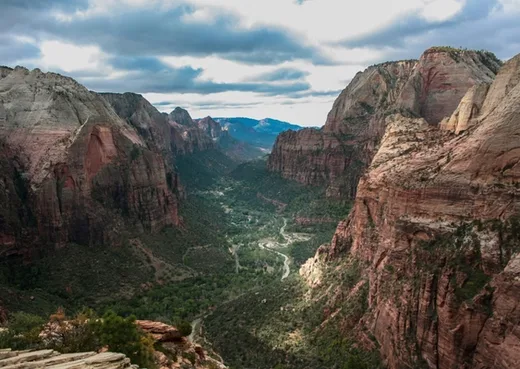
Some people absolutely hate planning.I actually love it. Spending months reading about the places we will drive through makes me feel like the journey started long before takeoff. Step by step, I get to know the landscape, the history, and the stories. Anonymous names on the map disappear, turning into places I’ve already formed a connection with.And then comes the exact moment when you are actually standing there. Instead of a guidebook photo, the real Grand Canyon opens up right in front of you.
Instead of a line on a map, you are driving down Route 66.Instead of just reading about Death Valley, you are standing right in the middle of one of North America's most extreme landscapes.That is the exact moment I look forward to the most.
Our itinerary isn't "the best West Coast USA itinerary"
And we don't want to claim it is, either.It’s ours.It was shaped entirely by what we enjoy. We love history, nature, photography, highways, locations with a story, and occasionally, somewhat odd and forgotten places. We don’t want to travel just to add another destination to our checklist. That is why someone else might travel through the American West in a completely different way.
And that is absolutely fine.Perhaps this is our biggest piece of advice for planning a similar journey:Don't start with someone else’s itinerary. Start with what you want to experience.Read about the places.Open a map.Explore.Go ahead and buy a vintage paper guidebook. Step by step, piece together your own journey from individual fragments. Because the best itinerary doesn't have to be the one with the most views on the internet.It’s the one that makes you completely unable to wait until you finally hit the road.
When we get back, we will show you the reality
Right now, we have an itinerary, reservations, maps, notes, read-through guidebooks, and a pretty clear picture of what our trip should look like. But planning is one thing; reality on the road is another. That is why we want to return to this article after we get back.What worked? What did we plan poorly? Where should we have stayed longer?What would we skip entirely next time? And which place ended up exceeding all our expectations? Because perhaps only then will we find out whether those several months of planning were truly worth it.
On October 28th, we set off.
And this time, there won't be a map ahead of us.
There will be the real road.

Discussion
Comments
No comments yet. Be the first to share your thoughts.