
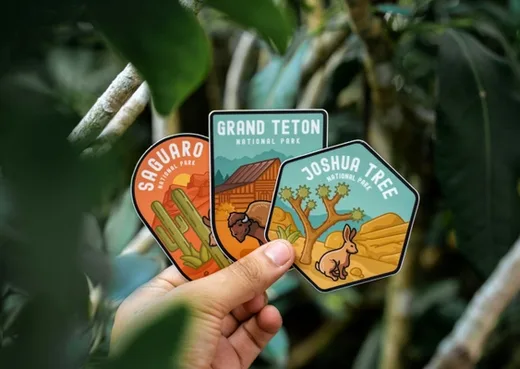
What We Pack for a Road Trip Across the American West: From Desert to Mountains
Packing for three weeks in the US might not be that big of a deal if we were staying in one place the whole time. But our road trip across the American West will be the exact opposite.
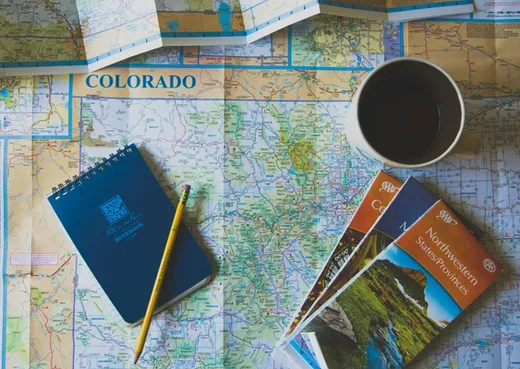
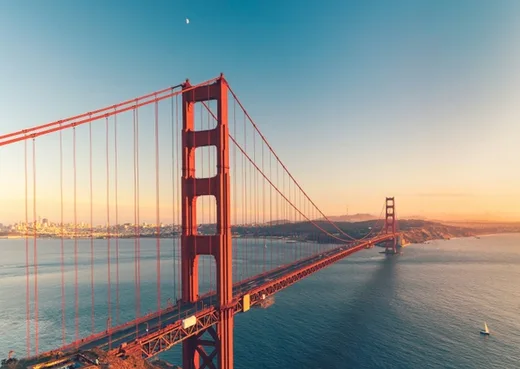
During this single trip, we will hit Los Angeles, Joshua Tree, Route 66, the Grand Canyon, Page, Bryce Canyon, Zion, Las Vegas, Death Valley, Sequoia, Yosemite, San Francisco, and more.
And we are going at the turn of October and November.
This means only one thing: we have to be ready for practically anything.
One moment we might be standing in a scorching desert, and a few days later, stepping out of the car into freezing morning temperatures in the mountains. Add hiking, cities, long drives, and one crucial condition to the mix:we travel with backpacks only.
So this time, it is not just about thinking about what to bring.Above all, we must think about what not to bring.Three Weeks, Several Climate Zones, and One BackpackWe already have a general packing guide on our website.
However, the US is a slightly different story. We are not going on a typical beach holiday, nor is this a pure mountain expedition. Over the course of nearly three weeks, we will be moving between the coast, the desert, and high-altitude locations.
And that is exactly what makes packing so much more interesting.
For example, we might need completely different clothes in Death Valley than during an early morning visit to Bryce Canyon or the Grand Canyon.
That is why we did not pick outfits day by day this time.We are packing in layers.
And we believe this is the best way to pack for a road trip like this.
Layering Is Key
We do not want to lug around a massive winter coat along with a mountain of summer clothes. It is much more practical to have several layers that can be combined depending on the situation.
Our core setup will look something like this:
a functional base layer → a sweatshirt → a lightweight insulated layer → a windproof and waterproof jacket.
When it gets warm, we stay in a T-shirt. When it cools down, we add a sweatshirt. And during a freezing morning in the mountains, we can combine all the layers. Thanks to this, we do not need a completely different set of clothes for every weather scenario.
Alpine Pro Helped Us with the Gear
For this trip to the US, we wanted gear that could handle diverse conditions. And we have to give a shoutout to Alpine Pro, who provided us with some of the clothing and equipment for our journey.
This partnership makes perfect sense to us, mainly because these are not items we would just throw on for a photo. We will actually be using them during a multi-week road trip—while hiking in national parks, in colder mountain areas, and during long drives.
Once we return from the US, we want to follow up on this gear and write about what really worked for us and what we used the most.
Part of the gear for our US trip was provided by Alpine Pro as part of a collaboration. This does not change anything about the article or our honest review—we show things exactly as we use them on the road.
T-Shirts & LaundryOf course, we are not packing 21 T-shirts for three weeks. That would completely defeat the purpose of backpacking. We fully expect to do laundry along the way.So we are taking just a few T-shirts that we can rotate.We prefer materials that:
- dry quickly,
- are comfortable during long drives,
- can be used for hiking,
- and do not take up too much space.
We will probably pack one or two classic cotton T-shirts as well, mostly for the cities.
Functional Base Layer for the Mountains
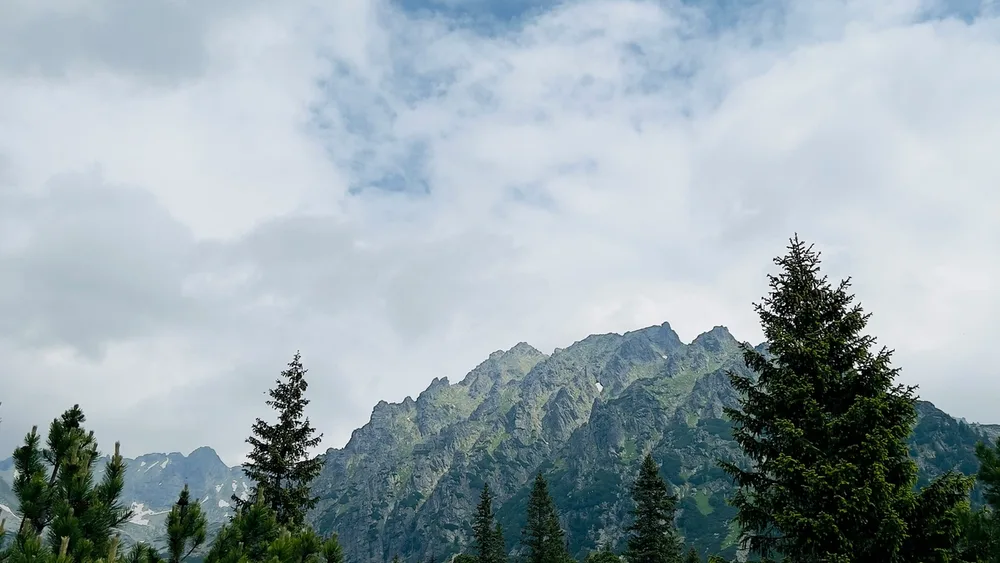
We consider this to be one of the more critical parts of our gear. The Grand Canyon, Bryce Canyon, Sequoia, or Yosemite in November are not the same as Las Vegas. Mornings can be truly freezing. That is why we are taking a functional base layer to wear under our other clothes.
It takes up almost zero space, yet the difference in comfort can be huge.
When traveling light, we find these versatile pieces much more useful than one single, heavy jacket.
The Almighty Sweatshirt & JacketsIf we had to guess the one item we will constantly be pulling out of our backpacks in the US, it would probably be a sweatshirt. We put it on in the morning. Take it off in the afternoon. Pull it back out in the evening. And it will come in handy practically all the time during long drives. That is why we are packing a comfortable sweatshirt that easily combines with other layers.We do not want to drag a big winter jacket with us. It takes up too much space. Instead, we want to use a lighter insulated jacket combined with our other layers.
Hiking PantsWe love jeans.
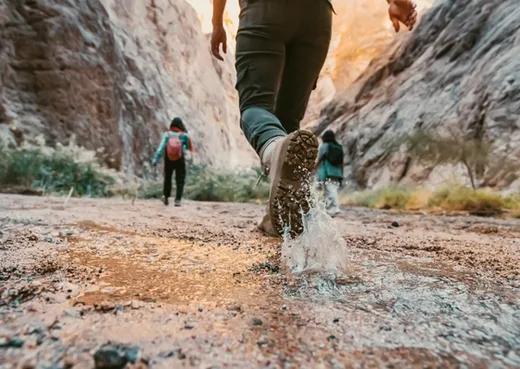
But walking in them for several hours around a national park? Not so much. That is why we are packing hiking pants, which we will use mainly in:
- the Grand Canyon,
- Bryce Canyon,
- Zion,
- Sequoia,
- Yosemite,
- and other natural stops.
For us, the ideal pants are comfortable, lightweight, and suitable for the long drives as well.The more versatile the piece of clothing, the better. Personally, I have 2-in-1 pants that easily convert into shorts.
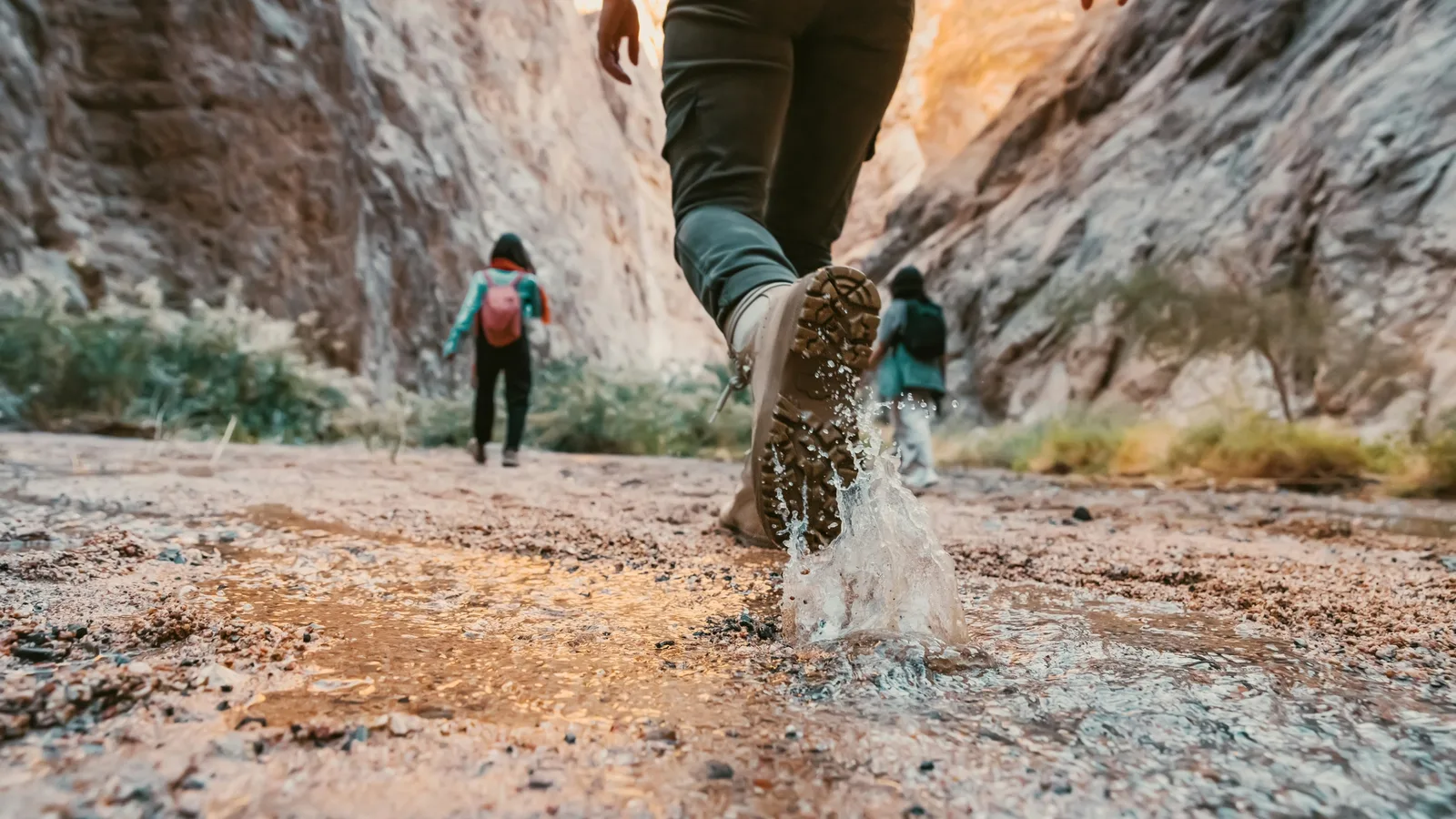
Shoes Are Arguably the Most Important
We do not want to experiment here. We have a lot of walking ahead of us and several hiking trails to tackle.Therefore, we primarily need shoes that can handle:the city + national parks + several hours of hiking.
We do not want to bring four pairs. The main footwear will be high-quality hiking or outdoor shoes. On top of that, we will take at most one pair of lightweight shoes for cities and travel days, which I can also buy on-site.
We also have one golden rule for shoes: never go on a trip like this in brand-new, unbroken-in shoes.
Blisters on day one in Joshua Tree is definitely not the way we want to start this road trip.
Socks & Accessories
Socks might sound like a boring item, but they are incredibly important when you are walking for hours. For hiking, we prefer functional socks over classic cotton ones.
They take up next to no space, and the comfort level during longer treks is completely different. We will also make good use of a beanie and gloves.
It might sound strange since we are traveling through California and Nevada. However, Bryce Canyon, for instance, sits at a high altitude, and November is definitely not summer anymore. A lightweight beanie and gloves weigh almost nothing.
If we don’t end up needing them, no harm done.
But if we step out of the car into freezing morning temperatures, we will be glad we have them. Besides a light beanie, I also use a multi-functional neck gaiter.
On the other end of the spectrum, we have the desert. So we are definitely packing a baseball cap or other head protection as well. The same goes for sunglasses.We will often spend the entire day outside in the American West, and the sun can be very intense even in autumn.
Tech Takes Up Almost as Much Space as Clothes
Since we want to bring back a huge amount of content for WandersKaty, we are not just packing clothes.We are also bringing:
- phones,
- microphones,
- a camera,
- a drone,
- batteries,
- chargers,
- and power banks.
And that is exactly why we need to save space on clothing.
Every unnecessary sweatshirt means less room for tech. When moving around national parks all day, we use our phones for navigation, photos, maps, and more. Batteries drain fast. That is why we are bringing a power bank. We also want to take full advantage of charging while driving.
Just a heads up—make sure to check your airline's rules regarding power banks. You can't just bring any type on board!
A road trip has one massive advantage in this regard: for three weeks, the car becomes our mobile charging station.
One small detail: the US uses different power outlets than the Czech Republic.
That is why we are taking an adapter (which you can also buy on-site). For us, one high-quality charger with multiple USB ports is much better than bringing five separate adapters.
A water bottle is just as important. We will use it practically every day—in national parks, on hikes, and during long drives. However, besides our own bottles, we will also carry a backup supply of water in the car when traveling through deserts.
This is no longer about comfort; it is about safety. I use a collapsible water bottle, but upon arrival, we always buy a large bulk pack of water bottles at Walmart.
Daypack, First Aid, and CosmeticsNaturally, I will leave my main backpack in the car or at our accommodation during hikes. For individual day trips, we usually just need one pack.Inside that daypack, we want to fit:
- water,
- a light jacket,
- a sweatshirt,
- something to eat,
- a power bank,
- our tech,
- and basic essentials.
Nothing more.
First aid kit: we are only taking the basics. For example:
- band-aids,
- blister pads,
- antiseptic,
- common medication,
- painkillers,
- and personal medication.
We do not want to carry a mini-hospital. But a few essentials definitely come in handy on a road trip.
Cosmetics: as small as possible.
We have one simple rule here:
if you can buy it in the US, you don't need to haul it from the Czech Republic (or from your country) for three weeks.
We don’t want to fill up half of our backpacks with cosmetics. We are taking basic travel-sized bottles, and if anything runs out, we will just buy it on-site. The only exceptions are the essential creams I have from my doctor (dermatologist). Personally, I have very sensitive skin and can't just put anything on my face.
Sunscreen Even in November Absolutely.
Especially in desert areas and when spending the whole day outdoors. Just because the temperature is lower doesn't mean the sun has stopped working.It’s good to keep this in mind during an autumn trip.
What We Are Leaving Behind:
- outfits for every single day,
- multiple jackets,
- several pairs of heavy shoes,
- full-sized toiletries,
- "just in case" items,
- unnecessarily elegant clothes,
- anything that has only one very specific use.
On a three-week journey, we will have to accept that we’ll be wearing some clothes repeatedly.
And we don't mind at all.
Final Decisions Based on the Forecast
Our core packing list is clear. However, we will make the final decision just a few days before departure.
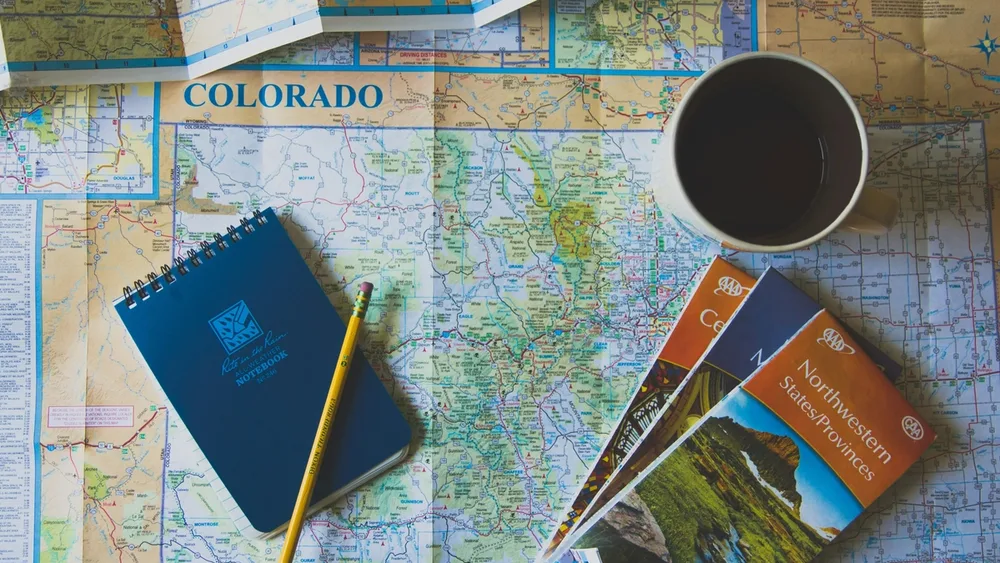
We will check the weather forecast for: Los Angeles → Joshua Tree → Grand Canyon → Bryce → Zion → Las Vegas → Death Valley → Sequoia → Yosemite → San Francisco.
Only then will we add or remove anything if necessary.
Because an autumn road trip across the American West is not just one holiday.
Weather-wise, it’s practically several different trips rolled into one.
Why We Are Grateful for Alpine Pro Gear
We believe that on this trip, we will very quickly find out which items truly work.
We won't be testing them during a one-hour stroll around the neighborhood.
What awaits them are:
- deserts,
- national parks,
- mountains,
- multi-hour treks,
- long drives,
- freezing mornings,
- warm afternoons,
- and nearly three weeks of continuous use.
That is precisely why our collaboration with Alpine Pro for this US trip makes total sense to us.
And after we return, we want to follow up with a second article:
What US Gear Actually Worked for Us.
In that one, we won't be writing about what we plan to do. Instead, we'll talk about what we actually wore, what stayed at the bottom of the backpack most of the time, and what we wouldn't leave behind next time.
When packing, one always has the tendency to add more. One more T-shirt. One more sweatshirt. Another pair of shoes. Because what if. But you end up hauling every single extra piece with you for almost three weeks.
And when you are constantly changing accommodations throughout the trip, every extra kilogram starts to add up very quickly. Quite often, we ended up buying extra clothes directly on-site anyway. You can shop very cheaply at Walmart. Plus, on the way back, we will likely be buying a small piece of luggage to bring some of those new clothes home with us :).
Part of the clothing and equipment for our trip across the American West was provided by Alpine Pro as part of a collaboration. However, all experiences and reviews on WandersKaty are based entirely on how we actually use the gear on our travels.

Discussion
Comments
No comments yet. Be the first to share your thoughts.