
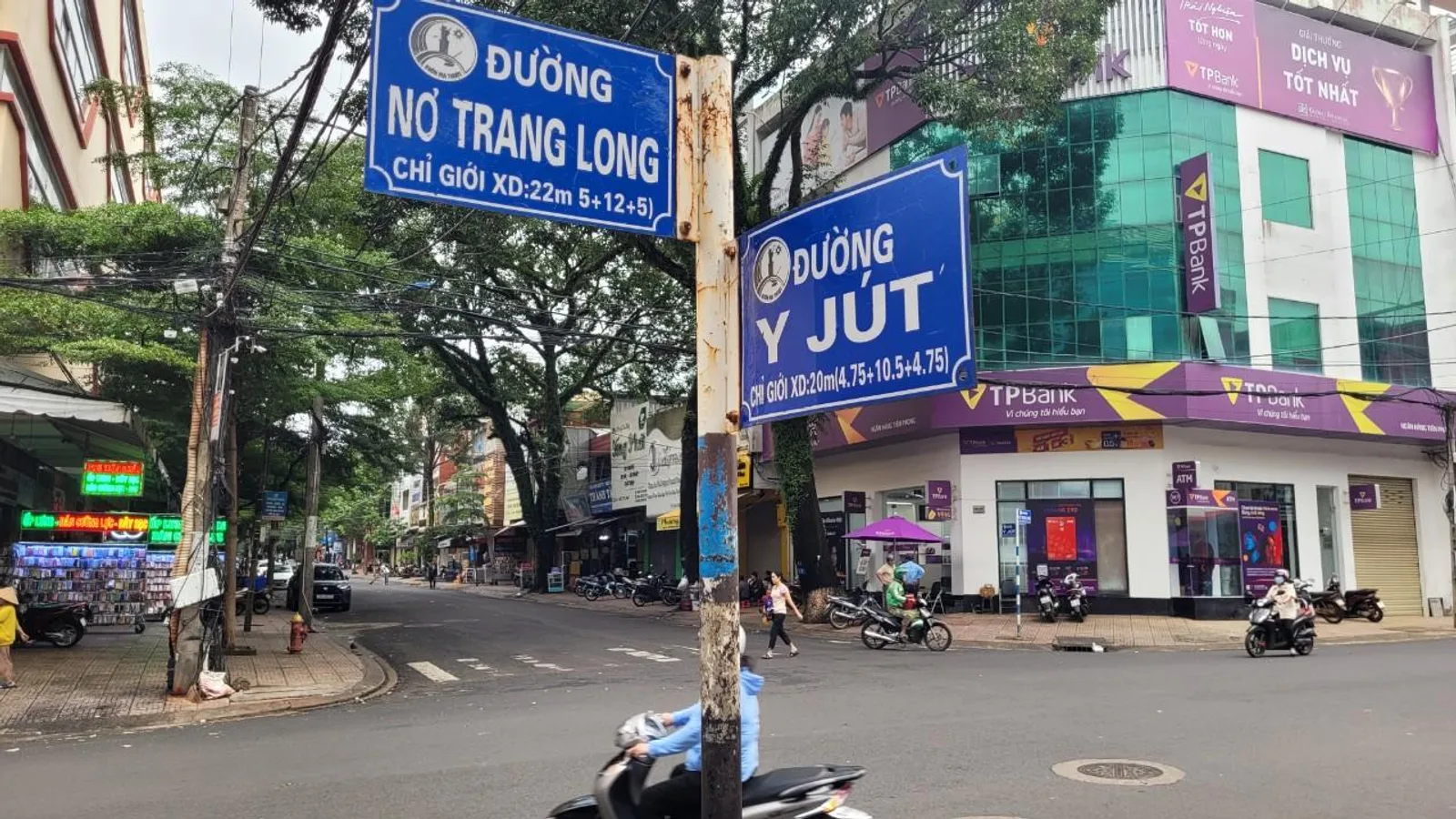
Buôn Ma Thuột will probably not be the first place that pops up when you are planning a holiday in Vietnam.
And maybe that is exactly why we loved it so much. No lantern-filled Hoi An. No Ha Long Bay. No queues of tourists waiting for the exact same photo.
Instead, we got the Vietnamese coffee capital, a scooter, the Central Highlands, massive waterfalls, and a journey into one of the most fascinating national parks in Southern Vietnam.
If you, like us, are planning a three-week trip through Southern Vietnam and want to step off the classic Saigon – Mekong – beach tourist trail, I would definitely consider adding Buôn Ma Thuột to your itinerary.
Where Exactly Is Buôn Ma Thuột?
Buôn Ma Thuột is located in the Đắk Lắk province within Vietnam's Central Highlands region. It is a completely different Vietnam compared to the tropical Mekong Delta or the coastal areas.Think red soil, coffee plantations, rolling hills, waterfalls, small villages, and the unique culture of the local Êđê and M'nông ethnic groups.
And, above all, coffee.
Buôn Ma Thuột is widely considered the hub of Vietnamese coffee production, and the Đắk Lắk province itself is among the country's most prominent coffee-growing regions. You can find coffee shops virtually everywhere in the city, and coffee is truly a core part of the region's identity. So, if you love coffee as much as we do, you have come to the right place.
Why Did We Include Buôn Ma Thuột in Our Itinerary?
Honestly? Because we didn’t want to travel through Vietnam just following a checklist of places that everyone else visits. Our route took us through the southern part of the country, and Buôn Ma Thuột made perfect sense as a base for the next leg of our journey.
From here, we wanted to continue on to Yok Don National Park. In the end, we realized it would be a shame to use the city just as a place to spend the night. There is so much more to see and do in the surrounding area.
Rent a Scooter
We explored Buôn Ma Thuột and its surroundings on a rented scooter. If you don’t mind driving in Vietnam and hold the required license, a scooter makes even more sense here than in the massive cities. The traffic gradually thins out, and as soon as you leave the city limits, you find yourself riding among plantations, villages, and the landscape of the Central Highlands.
Of course, we also got a little lost along the way. Because why take the direct route when you can spend half an hour exploring the Vietnamese countryside, wondering if you are still on the right road? But it’s exactly these kinds of moments that we love most about traveling.
Dray Nur: One of the Highlights of the Area
One of the places we absolutely wanted to see was the waterfalls located just outside Buôn Ma Thuột. And since we arrived during the rainy season, the water was definitely not flowing timidly.It was roaring. The waterfall was massive, water spray was flying everywhere, and you instantly understood why the waterfalls in this region are considered one of the main natural attractions of Đắk Lắk province.
Dray Nur is located about 25 kilometers south of downtown Buôn Ma Thuột on the Sêrêpôk River. And this is no narrow trickle falling from a cliff. According to Vietnamese tourism sources, the wall of water is roughly 250 meters wide and over 30 meters high. Since we visited at a time when the water levels were incredibly high, it was the ultimate example of a place where a photograph simply cannot capture the sheer noise and raw power.
Dray Nur in the Rainy Season
If you ever get the chance to see the waterfalls during the rainy season, prepare yourself for a completely different spectacle compared to the dry season.We stood in front of an immense wall of water, with mist and spray covering practically everything around us. So, here is a practical tip: I would definitely make sure your camera and electronics are well-protected against water, and expect to walk away a bit wetter than when you arrived. I would also highly recommend wearing shoes that can handle a bit of rugged terrain. Wet rocks and a massive waterfall are definitely not the ideal environment for a pair of elegant white sneakers.
Dray Sap: The Second Major Waterfall
If you have more time, the area is also home to Dray Sap, another well-known waterfall on the Sêrêpôk River system. Dray Sap is sometimes translated as the "Smoky Waterfall" because, during high water flow, the heavy mist creates a smoke-like effect around the cascading water. If you plan your day well, you can easily combine visits to both Dray Nur and Dray Sap into a single trip.
Buôn Ma Thuột = Coffee
Then, of course, there is the coffee. If you are used to thinking of Vietnamese coffee as just something you grab once in Saigon with condensed milk, it is here that you will realize it holds a completely different meaning for the locals. The Đắk Lắk province is one of the largest coffee-growing hubs in Vietnam, and Buôn Ma Thuột proudly brands itself as the country's coffee capital. We highly recommend not rushing through the city with just one quick cà phê sữa đá.
Find a seat at a local café.Take your time. The Vietnamese can sit over a cup of coffee for an incredibly long time. And honestly, why not?
Vietnamese Coffees to Try Make sure to taste:
- Cà phê đen – Black Vietnamese coffee.
- Cà phê sữa đá – Coffee with condensed milk and ice.
- Local Robusta – Try it black and neat if you want to discover just how bold and intense it can truly be.
Above all, I would recommend hopping around a few different cafés. There are so many options in the city that searching for the best one is practically an activity in its own right.
World Coffee Museum
If you want to dive deeper into the world of coffee, Buôn Ma Thuột is home to the World Coffee Museum. It is one of the most famous modern landmarks in the city, and the building itself is architecturally very striking.
And Then We Headed to Yok Don
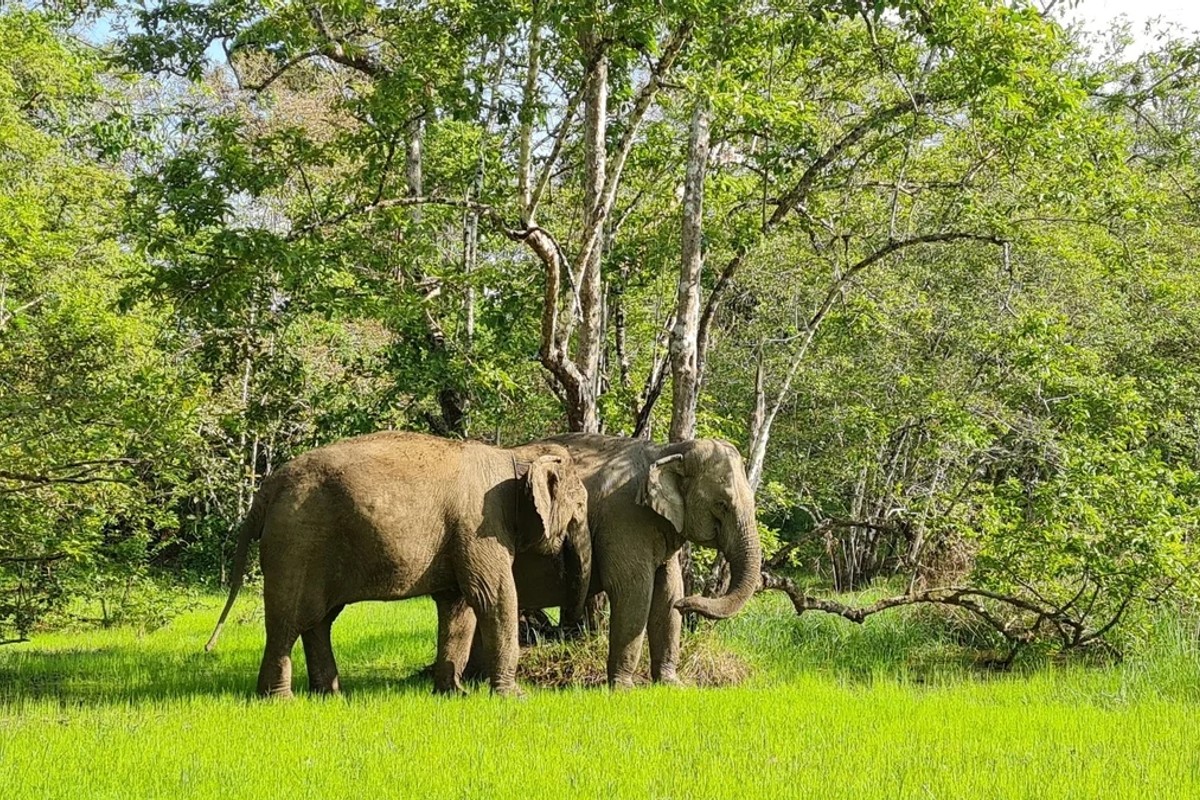
We used Buôn Ma Thuột as our base for visiting Yok Don National Park.In the morning, we hopped on our scooter and set off. The drive is roughly 40 kilometers, depending on your specific destination within the park. It sounds simple in theory.In practice, of course, we got a bit lost. But instead of getting frustrated, it meant we ended up riding through local villages and countryside that we would have completely missed on an organized tour. And that is exactly why I would combine a visit to Yok Don with a stay in Buôn Ma Thuột.
It’s not just about getting from point A to point B. The journey itself is a major part of the experience. You can read more about it in our dedicated post.
Don't Have a Scooter? You Can Take a Bus to Yok Don
If you don't feel like navigating Vietnamese traffic, it's not a problem at all. You can easily reach the Yok Don area from Buôn Ma Thuột by local bus.
According to the latest official updates from the Yok Don Tourism Center, there is a pink-and-green bus that runs approximately every 30 to 60 minutes. The journey takes about 1 to 1.5 hours, and the fare is around 40,000 VND.
We have laid out all the details, boarding spots, and our own personal experiences in a separate article about Yok Don.
How Many Days Should You Spend in Buôn Ma Thuột?
In my opinion, the minimum is 2 nights:
- Day 1: Arrival, exploring the town, enjoying local coffee, renting a scooter, or visiting the museum.
- Day 2: Dray Nur / Dray Sap waterfalls, exploring the surrounding countryside, and visiting coffee plantations.
- Day 3: Yok Don National Park, and then continuing on your journey.
If you have plenty of time, I would recommend staying for 3 nights so you don't have to pack up and move every single day. The Central Highlands is exactly the kind of region where you don't need to chase one tourist sight after another.
Other Things to See Around Buôn Ma Thuột
If you have a bit of extra time, you can add these to your itinerary:
- Lak Lake: A large lake south of the city, surrounded by the beautiful landscapes of the Central Highlands.
- Êđê Villages: The region is home to large Êđê and M'nông communities. If you decide to visit, I highly recommend choosing smaller, respectful, community-based tourism projects rather than commercial attractions built just for tour buses.
- Dak Lak Museum: If you are interested in the history, ethnic groups, and culture of the region, this museum serves as a great introduction before you explore the province further.
- Trung Nguyen Coffee Village: Another fantastic option if you want to get the absolute most out of the coffee theme.
When to Visit Buôn Ma Thuột?
We experienced the region during the rainy season. And it came with one massive advantage: the waterfalls were absolutely brutal and powerful.On the flip side, you have to count on rain, wet roads, and the fact that the weather can unexpectedly change your plans.
If your main goal is to see the waterfalls at their best and enjoy lush green landscapes, the high-water season has a unique charm. If you prefer easier scooter riding and more predictable weather, the dry season will be much more practical.
But for us? We wouldn't trade that breathtaking view of the roaring, wild waterfall for a perfectly dry pair of shoes.
How to Get to Buôn Ma Thuột?
Buôn Ma Thuột has its own airport, so you can easily get here by plane from major Vietnamese cities. However, if you, like us, are traveling through Vietnam overland, you can use long-distance buses and minivans from places like Saigon, Da Lat, or other destinations within the Central Highlands.
Is Buôn Ma Thuột Worth It?
If you only have ten days in Vietnam and want to see Hanoi, Ha Long Bay, Hoi An, and Saigon for the first time? I probably wouldn't send you here. But if you have three weeks and want to experience a slightly different side of Vietnam, our answer is: Yes.
Buôn Ma Thuột is not a city that wins you over with a single iconic landmark. Instead, it’s fascinating because of where it allows you to go next. To the coffee plantations.To the massive waterfalls.
Into Yok Don.
On a scooter weaving through the villages of the Central Highlands. And in the end, it’s often places like this that stick in our minds the longest. Not the ones where we just checked off another "must-see" attraction, but the ones where we got a little lost – and didn't mind it at all.


Discussion
Comments
No comments yet. Be the first to share your thoughts.